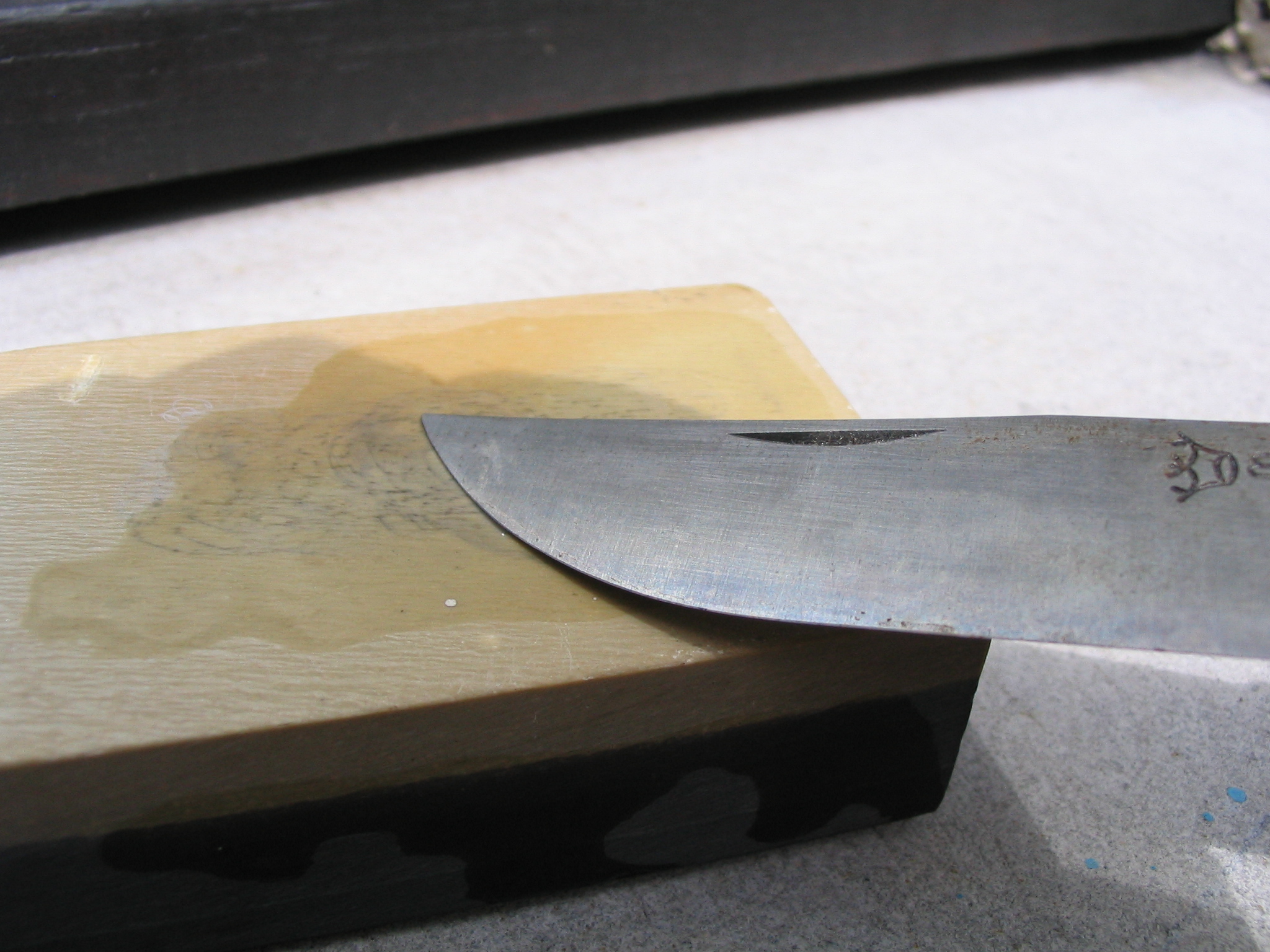
Step-by-Step: Sharpening Kitchen Knives on a Whetstone
A detailed walkthrough of whetstone types, grit selection, soaking procedure, and the correct hand position for consistent edge geometry.
Read guide →A step-by-step reference for sharpening kitchen knives and garden blades in Poland. Practical methods, accurate angles, and tool-specific guidance.
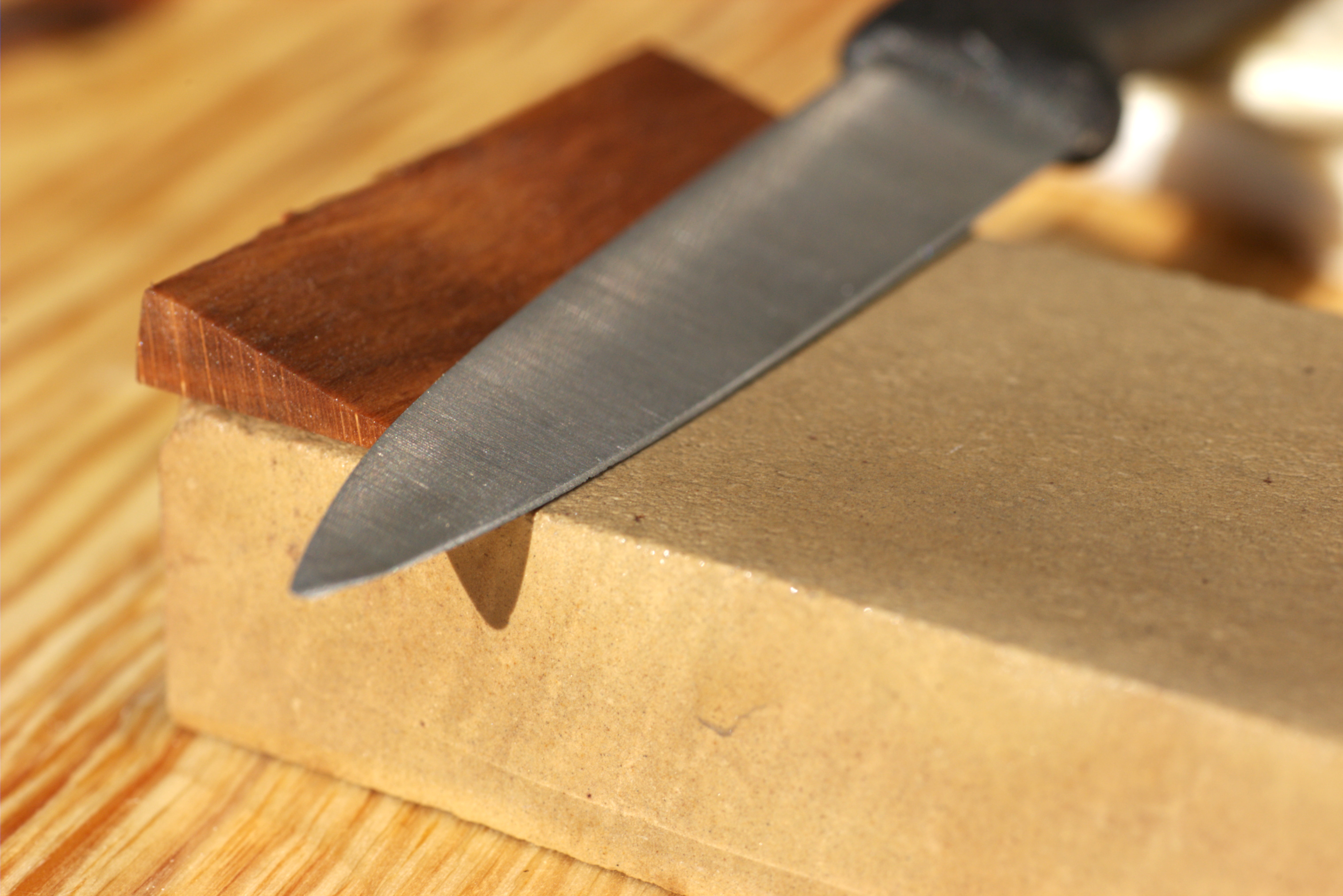
Three focused articles covering the core methods used to maintain blades in domestic and garden settings.
A detailed walkthrough of whetstone types, grit selection, soaking procedure, and the correct hand position for consistent edge geometry.
Read guide →
A breakdown of why the edge angle determines cutting behaviour, with a reference table covering kitchen knives, hunting blades, and garden tools.
Read guide →
Seasonal tool care for Polish gardens: when and how to sharpen spades, hoes, loppers, and pruning shears before and after the growing season.
Read guide →Three principles that apply to any blade, from a chef's knife to a garden hoe.
The sharpening angle determines how a blade cuts. A kitchen knife sharpened at 15° per side behaves differently from one ground at 25°. Understanding which angle suits a given blade is the starting point of any maintenance routine.
Coarse grits (120–400) remove metal and reshape a damaged edge. Medium grits (800–1000) refine the bevel. Fine grits (2000–8000) produce the final polish. Skipping from coarse to very fine leaves scratches that reduce sharpness.
In Poland, garden tools benefit from sharpening twice a year: once before the spring sowing period and once after the autumn harvest. Soil abrasion dulls spades and hoes faster than most kitchen use dulls knives.
Questions about sharpening methods or tool recommendations? Use this form to send a message.
Your request has been submitted.